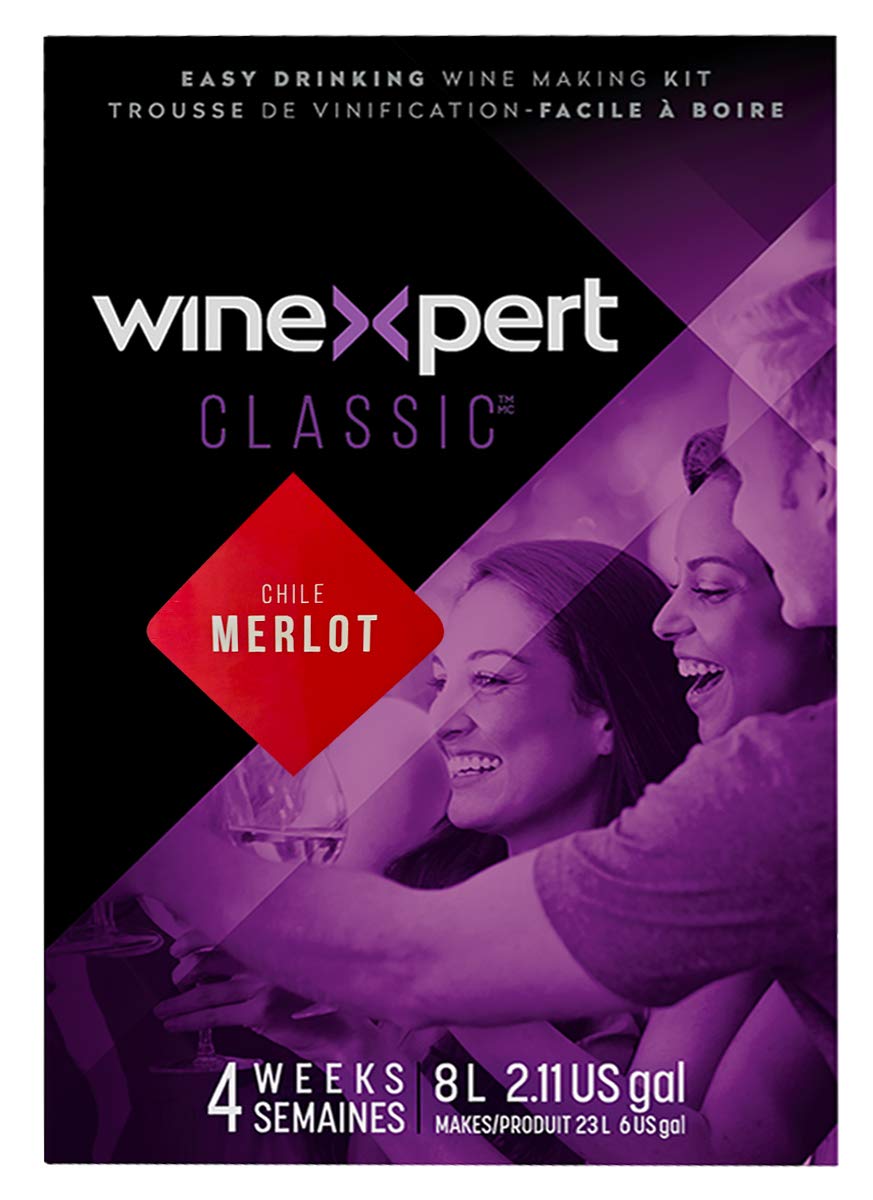
A wine ingredient kit—sometimes called a juice kit or wine kit—is a pre-measured package of grape juice concentrate, grape skins (in premium versions), yeast, and winemaking additives that lets you ferment a finished 6-gallon batch at home without sourcing fresh grapes. If you’ve made a kit or two, you already know the basic arc: rehydrate, pitch, ferment, stabilize, clear, bottle. But here’s the question that trips up a lot of intermediate makers: once you’ve bottled, how long should you wait, and is this wine actually going to improve with age, or is it just going to oxidize quietly while you convince yourself it’s “coming around”? That’s what this guide is about. We’re going to go varietal by varietal through the most common 6-gallon kit styles, look at the structural markers that predict aging potential, and give you a clear decision framework so you stop guessing and start planning.
Why Structure—Not Just Variety—Determines Aging Potential
Here’s the core concept, and it’s worth getting comfortable with it: a wine ages well when it has enough structural components to transform rather than simply deteriorate. In practical terms, that means tannin, acidity, and residual extract need to be present in meaningful quantities when the wine goes into bottle. Tannins—the mouth-drying polyphenols extracted from grape skins, seeds, and oak—act as natural antioxidants and slowly polymerize over time into softer, silkier chains. Acidity preserves freshness and keeps microbial stability. Extract (the dissolved solids that give wine weight and body) provides the raw material for flavor development.
The tricky thing about kit wines is that juice concentration and processing affect all three. According to MoreWinemaking.com’s kit education materials, the quality tier of a kit—measured in part by the percentage of grape skin inclusion and the degree of concentration—has a direct bearing on how much phenolic structure survives into the finished wine. A budget concentrate kit that starts at 68 Brix (a measure of sugar density) has been reduced aggressively, and that aggressive reduction tends to strip volatile aromatics and flatten tannin complexity. A premium kit built on lower-concentration juice with extended skin contact packs far more structural material into your carboy.
Per BSG Handcraft’s technical reference on kit wine ingredients, top-tier kits from brands like Winexpert Eclipse or RJS Craft Winemaking En Primeur use juice at roughly 20–22 Brix (closer to natural grape juice density) and include dried grape skins or grape skin packs specifically to rebuild phenolic density. That’s the category of kit where aging is a real conversation. The mid-range kits—Winexpert Selection, RJS Cru International—can age modestly (12–18 months in bottle), but they’re mostly optimized for drinkability at 6–9 months. Budget kits at the low end of the 6-gallon market are engineered for early drinking. Plan accordingly.
The Varietal Breakdown: What Ages and What Doesn’t
Cabernet Sauvignon and Bordeaux-Style Blends
Aging verdict: Strong candidate, tier-dependent.
Cabernet Sauvignon is the most compelling aging candidate in the kit world, and for the same reason it ages well from actual vineyard fruit: it’s naturally high in tannin and has enough acidity to stay fresh through a multi-year evolution. In the premium kit tier, owners of Winexpert Eclipse Napa Valley Cabernet Sauvignon and similar products consistently report meaningful improvement at 18–24 months in bottle, with some forum consensus (across winemaking communities indexed by WineMaker Magazine’s reader surveys) suggesting peak complexity between 2 and 3 years.
The math on tannin matters here. UC Davis research on phenolic maturity in red wines confirms that procyanidin-class tannins—abundant in Cabernet—are precisely the compounds most likely to undergo beneficial polymerization during bottle aging. Premium kits with skin packs deliver enough of these compounds to make the wait worthwhile.
Decision rule: If you’re working with a premium-tier Cabernet kit that includes a grape skin pack, budget for 18 months minimum before you open the good bottles. Mid-tier kits: drink at 9–12 months. Entry-level concentrate kits: don’t wait—early fruit is all you’re going to get, and it won’t hold.
Merlot
Aging verdict: Moderate; best in the 12–18 month window.
Merlot is the great “but what if I’d waited?” varietal of the kit world—except in this case, waiting often isn’t the answer. Merlot naturally produces softer tannins than Cabernet, which means the structural backbone that drives long aging is thinner. In kit form, that characteristic is amplified: even premium Merlot kits tend to show their best character at 12–18 months rather than 24+.
That said, premium-tier Merlot kits—particularly those built on Chilean or California-sourced juice—do reward a reasonable rest period. Practical Winery and Vineyard Journal’s 2023 overview of small-batch aging noted that Merlot’s plum and chocolate aromatic compounds need time to integrate with fermentation-derived esters, and that integration typically plateaus around 14–16 months post-bottling.
Decision rule: Open one bottle at 9 months as a quality check. If the tannins still feel grippy and the fruit seems primary (fresh berry, unintegrated), give it another 6 months. If it tastes harmonious at 9 months, you’re in the drink-now window—don’t hold indefinitely.
Chardonnay and White Varieties
Aging verdict: Drink young; oaked versions get a small extension.
Most white wine kits—Chardonnay, Pinot Grigio, Riesling, Sauvignon Blanc—are optimized for early drinking, and this is correct for the category. White wines from kits lack the tannin structure that drives long aging, and without it, the primary fruit (the freshest, most vibrant aromatics in a young wine) simply fades rather than transforms.
Per MoreWinemaking.com’s product guidance, unoaked white kit wines are typically at their best within 6–9 months of bottling. The exception is oaked Chardonnay, where the wood-derived lactones and vanilla compounds continue to integrate for an additional 3–6 months. Using oak adjuncts—medium-toast American or French oak cubes, spirals, or powder added during secondary fermentation—can slightly extend the drinking window, but you’re still looking at 9–15 months as a realistic outer limit.
Decision rule: Bottle your whites, label them with the bottling date, and drink them within a year. Do not age white kit wines chasing complexity that isn’t structurally possible. The headspace discipline you’d use for cellar storage (keeping bottles fully topped, stored on their sides in a cool environment) is more important for whites than aging duration.
Malbec, Syrah/Shiraz, and Petite Sirah
Aging verdict: Syrah and Petite Sirah are underrated aging candidates; Malbec peaks earlier.
This is the category where intermediate winemakers most often leave value on the table. Syrah and Petite Sirah kits—particularly in the premium tier—are structurally aggressive wines with high tannin density and dark fruit profiles that genuinely benefit from 18–24 months of bottle aging. Petite Sirah in particular has among the highest tannin loads of any kit varietal, and owners of top-tier PSirah kits report that the characteristic “inky” grip softens substantially by the second year.
Malbec sits differently. Its tannins are typically finer and more approachable than Syrah at bottling, and the characteristic violet and plum aromatics are most vibrant at 9–14 months. Holding Malbec kits past 18 months risks losing the fruit-forward profile that makes the varietal appealing.
By the Numbers:
| Varietal | Min. Aging (Std. Kit) | Min. Aging (Premium + Skins) | Realistic Peak |
|---|---|---|---|
| Cabernet Sauvignon | 9 mo | 18–24 mo | 24–36 mo |
| Merlot | 6–9 mo | 12–18 mo | 14–18 mo |
| Syrah/Petite Sirah | 12 mo | 18–24 mo | 24–30 mo |
| Malbec | 6–9 mo | 12–15 mo | 12–16 mo |
| Chardonnay (oaked) | 4–6 mo | 9–12 mo | 9–15 mo |
The Upgrade Variables: What Moves the Aging Needle in Kit Wines
Two winemaking decisions at your end—separate from the kit itself—have meaningful effects on aging potential.
SO₂ management at bottling. Free sulfur dioxide (SO₂) is your primary antioxidant in bottle. Practical Winery and Vineyard Journal notes that wines bottled with free SO₂ below 20 ppm are significantly more vulnerable to premature oxidation, especially in the first 12 months. Most kit instructions will have you add a standard campden tablet (potassium metabisulfite) dose at stabilization, but if you’re planning to age a premium batch seriously, test your free SO₂ with a titration kit before bottling and target 25–30 ppm for reds (higher for whites). This is non-negotiable for long aging.
Cork quality and bottle fill. Headspace—the gap between the wine surface and the bottom of the cork—is your oxidation risk at the bottle level. Per standard winemaking practice indexed across UC Davis extension materials, minimizing headspace at fill (aiming for 1.5–2 cm under cork) and using quality straight corks (not agglomerate) for bottles you plan to age beyond 18 months makes a measurable difference. Agglomerate and synthetic closures are acceptable for early-drinking batches; for your premium Cabernet batch you’re planning to hold two years, use a #9 natural cork and a floor corker that applies consistent compression.
Matching Kit Tier to Your Actual Goal
The framing that resolves most kit-aging questions is this: be honest about your objective before you buy.
If the goal is a reliable, enjoyable wine ready in 6–9 months with minimal cellar space investment, mid-range kits from Winexpert Selection, RJS Cru International, or similar lines are efficient and well-engineered for that purpose. They’re not lesser choices—they’re different instruments. WineMaker Magazine’s reader survey data consistently shows high satisfaction rates for mid-tier kits among makers who drink them on schedule.
If the goal is a wine that earns a second look 18–24 months from now, you need a premium kit with real skin inclusion, and you need to execute the winemaking—SO₂, pH management, headspace discipline—at a higher standard. The MoreWinemaking.com catalog of premium kits (Winexpert Eclipse, RJS En Primeur, Cellar Craft Showcase) represents the ceiling of what’s achievable in the 6-gallon kit format, and at that tier, aging isn’t just possible—it’s part of the design.
Final decision rule:
- If you want to drink in under a year: Choose any tier. Match the varietal to your palate. Don’t overcomplicate the chemistry.
- If you want to age 18–36 months: Buy premium tier with skin packs. Test SO₂ before bottling. Use quality natural cork. Be patient with a Cabernet, Syrah, or Petite Sirah—those are your best bets.
- If you’re on the fence: Open one bottle at 9 months. The wine will tell you whether it still has somewhere to go.